
Florida bathrooms and kitchens are known for two pesky types of insects: drain flies and sewer gnats. This is because of the warm, humid climate and frequent moisture buildup that create ideal conditions for drain flies and sewer gnats to wreak havoc in your home. You may be noticing a strange musty smell or small swarms of these icky insects near your sinks and showers. When left unchecked, this becomes very frustrating. Understanding what attracts these pests helps you keep your home clean, and very importantly, odor-free.
Drain Flies vs. Sewer Gnats: How to Tell the Difference
Finding out whether you have drain flies or sewer gnats is crucial for targeting the right method of removing these bugs. While these pests may look somewhat like each other, they act and behave differently in most situations.
Appearance, Behavior, and Where You’ll Spot Them
Drain flies are small, fuzzy insects with leaf-shaped wings and tend to move slowly near sinks, showers, and floor drains. They are most active at night and often hover around bathroom drains. Sewer gnats are slightly smaller and more slender, so you’ll most likely find them near laundry areas, floor drains, or any location where organic matter accumulates. Expect to see these annoying gnats when it’s still bright outside. You’ll also notice that their rapid movement makes them act very differently from the slower-moving drain flies.
What Causes the Infestation?
Drain flies and sewer gnats breed in the damp organic matter that you’ll find lining drain lines. Knowing the source of the nasty infestation will help you address the problem effectively.
Organic Film in Traps, Slow Drains, Venting Issues
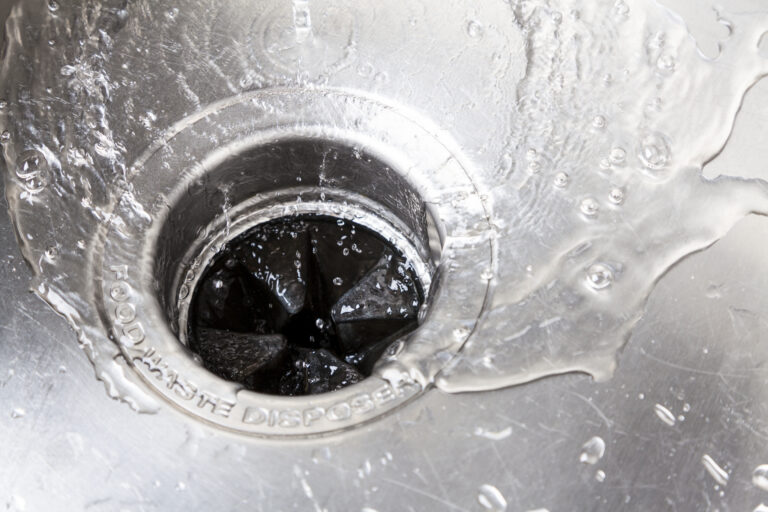
Over time, soap scum, hair, and food debris accumulate inside P-traps and slow drains, forming a sticky film that serves as a perfect breeding ground. Poor venting can trap moisture in areas that aren’t easy to see, which allows these pests to reproduce unchecked. Homeowners like yourself may not see the buildup at first, but it contributes to persistent odors and ongoing infestations if not addressed.
Safe Removal Methods (What to Use & Avoid)
Not every removal methodology benefits your plumbing system equally. Using the right removal methods ensures you eliminate pests without causing damage to your home’s plumbing.
Enzyme Cleaners, Brushing Traps; Avoid Harsh Chemicals
Enzyme-based cleaners break down organic matter inside your drains, which effectively removes the food source for the pests and reduces their numbers dramatically. Brushing P-traps and drain openings clears away the debris that hides eggs and the resulting larvae. We suggest avoiding harsh chemical cleaners, as these definitely corrode pipes or push pests deeper into your plumbing system, making infestations worse over time.
Preventing a Comeback (Sanitation & Venting)
Proper maintenance and regular inspections will help prevent drain pests from returning. Staying vigilant keeps your home free from unpleasant odors and swarming insects.
Clean P-Traps, Fix Slow Drains, Check Vents
Regularly clean your system’s P-traps and inspect slow drains to remove the organic buildup that pests need to survive. Make sure that all vents are clear and functioning properly to keep air circulating, which will help to reduce moisture pockets where insects thrive. Don’t forget often-overlooked drains like laundry or floor drains, which can also serve as breeding grounds if neglected.
When to Call a Plumber for Drain Flies and Sewer Gnats
Even with regular cleaning, some infestations will require professional attention. Knowing when to reach out to a plumber can save time and prevent damage.
Persistent Smells, Backups, Repeated Infestations
If you notice a recurring sewer smell, backups, or persistent swarms of drain flies or sewer gnats, call a plumber for drain flies. A licensed professional from our team at Iceberg Home Services will inspect your plumbing system, identify hidden organic buildup, and provide solutions to stop the problem from returning.
Next Steps
Keeping your drains clean and your plumbing well-maintained is the best way to avoid infestations. Homeowners like yourself can take proactive steps, but professional assistance ensures long-term results. Explore our sewer and drain services or call us to discuss upgrades with our plumbing services team. Learn how seasonal changes affect your drains in our seasonal drains blog for even more tips. Contact us today to schedule a maintenance session.