
Florida heat can turn a small AC issue into a real disruption. If your air conditioner blows warm air, starts short cycling, or runs for hours without catching up, you probably start weighing repair against AC replacement. You should account for repair costs, system age, and how well your HVAC system handles humidity while it cools. We use a few clear checks to help you choose the option that fits your home and budget.
Use this baseline. If you have a newer HVAC system and one part failed, AC repair often restores normal cooling at a reasonable cost. If your system is older and you keep seeing repeated failures, low refrigerant, or expensive component damage, air conditioning replacement often costs less over time. We focus on stopping repeated spending on the same problem.
Start With Age, Repair History, and Daily Comfort
Start with system age. In Central Florida, many air conditioner systems run about 10 to 15 years, especially when you keep up with preventive maintenance and schedule a seasonal tune-up. As your system reaches the later years of that range, you will often see more part failures during the hottest months. A unit that seems fine in mild weather can struggle when heat and humidity rise.
Next, review your repair history from the last year or two. A one-time capacitor failure is common and does not automatically mean you need replacement. Repeated repairs involving the control board, blower motor, or fan motor suggest the system is wearing out. Your comfort level also matters. If you notice uneven temperatures, sticky indoor air, or rising energy bills, your home may have airflow issues, ductwork leaks, or high static pressure caused by a dirty or clogged filter.
A Practical Repair Versus Replace Checklist
Compare air conditioning repair cost to system age. When you pay for a major repair on a 12-year-old air conditioner, you often get limited extra life because other aging components can fail next. If a repair involves major parts or repeated visits, replacement may deliver better value and fewer disruptions. We aim for steady cooling through the season, not a temporary restart.
Then compare operating costs. Newer systems often improve system efficiency, which can lower energy bills in Florida’s long cooling season. Better humidity control can also improve indoor air and air quality because the system removes moisture more effectively. If you repair an older unit, it may cool again, but it can still short-cycle or struggle with airflow issues that keep costs higher.
Signs AC Replacement Often Makes More Sense
Major component failures on older systems often point to replacement. If your evaporator coil fails on a system over 10 years old, the repair can cost a lot and still leave you with an older unit. The condenser coil can create the same value problem, especially when corrosion reduces heat transfer. Even after you replace a coil, other aging parts can fail next.
Repeated refrigerant problems also push the decision toward replacement. When you have a refrigerant leak that keeps returning, you may end up with low refrigerant and weak cooling performance. You may notice warm supply air, longer run times, and a poor temperature split between return air and supply air, which means the system removes less heat. If low refrigerant keeps coming back, you should treat it as a pattern, not a one-time adjustment.
When AC Repair Is Usually the Better Call
Air conditioning repair is often the better choice when your system is newer, and the problem stays limited to one repairable component. A thermostat setting issue, a thermostat replacement, or a single capacitor failure can restore normal operation without a major investment. A clogged filter restricts airflow and can cause short cycling, which can make the air feel warmer. In these situations, you fix the cause and keep the remaining equipment life you already paid for.
Sometimes you choose repair because you want more time to plan your next AC replacement. If your air conditioner has run steadily and you have not seen repeated failures, one repair can help you schedule replacement on your timeline. Planning ahead helps you avoid peak summer demand. We can help you map a timeline that matches your comfort needs and budget.
What We Check During an In-Home Evaluation
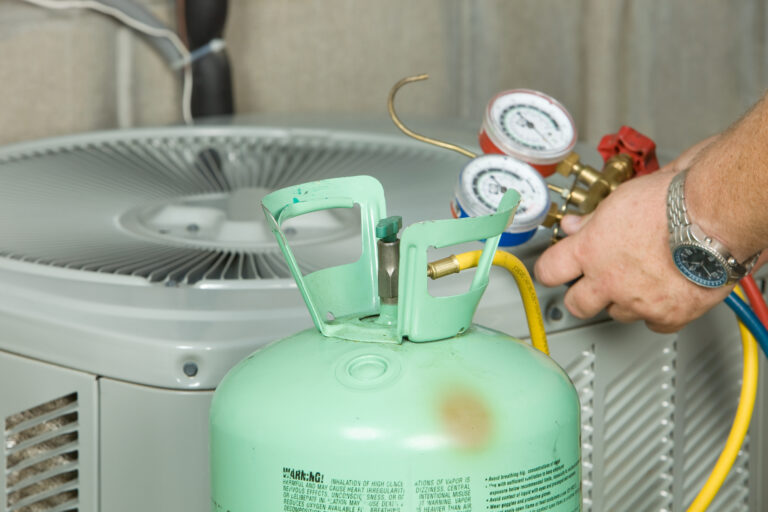
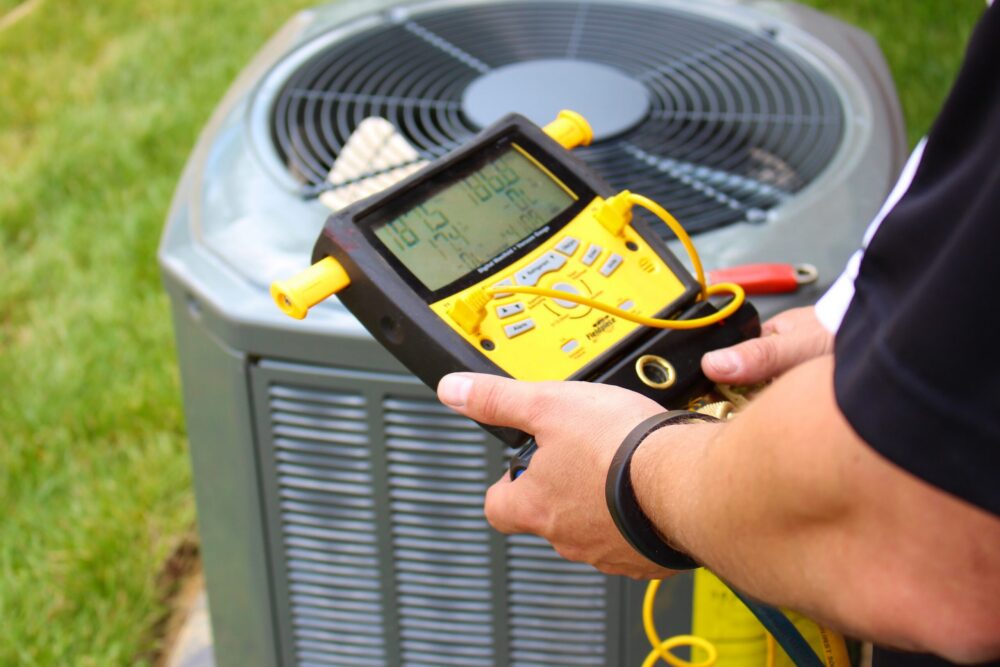
We check the full HVAC system, not just the symptom you noticed. We measure refrigerant levels and look for signs of a refrigerant leak or low refrigerant. We inspect the evaporator coil and condenser coil for corrosion and other heat-transfer problems that reduce cooling output. We also measure airflow and static pressure, then compare return air and supply air temperatures to confirm the temperature split.
We also test electrical and safety components that commonly cause intermittent failures. We check the blower motor, fan motor, and control board, and we look for signs of capacitor failure. We inspect the drain line and condensate pan because drainage problems can trigger shutdowns and cause water damage. If your system is short-cycling, we track triggers such as airflow restriction, thermostat issues, or a safety switch trip.
Timing Matters More Than Most Homeowners Expect
In Florida, timing affects both comfort and cost. Peak summer brings heavier demand, which can limit scheduling options and increase our emergency AC repair calls. If you wait for a heat wave, you may face fewer equipment choices and less flexibility on installation dates. When you plan for spring replacement or maintenance, you control the schedule and avoid pressure decisions.
Schedule AC Repair or AC Replacement Service in Central Florida
If you are weighing air conditioning repair versus replacement, start with what your system shows you: age, repair history, airflow issues, refrigerant leak patterns, and performance during hot afternoons. We work with homeowners in Winter Haven, Clermont, and Lake Wales to review those details and explain the best next step.
Contact us to schedule an assessment, and we will recommend repair or replacement based on what your air conditioner is doing right now.