

You may notice strange odors coming from your HVAC system when switching between heating and cooling modes. One of the most common complaints is a damp, musty smell that resembles dirty gym socks. This odor often appears during the first use of heat after a cooling season, or when the air conditioning runs after a period of inactivity.
While brief smells can sometimes occur as dust burns off, persistent musty odors usually point to a deeper issue inside the system. The phenomenon, known as dirty sock syndrome, in an HVAC system is a sign that your evaporator coil may be harboring microbial growth that affects air quality. Understanding why this happens and how you can address it will help you prevent ongoing odor problems.
What Is “Dirty Sock Syndrome”?
Dirty sock syndrome in HVAC systems refers to the unpleasant, musty odor that moves through your home’s air whenever the heater or AC runs. Unlike a burning smell during the first heat cycle, this odor tends to smell like damp laundry or mildew. The odor becomes stronger when the system first engages and may fade as airflow continues. However, when the system cycles off and restarts, the smell often returns.
Microbial Growth on Evaporator Coils
The cause of dirty sock syndrome is typically microbial growth on the evaporator coils. These coils naturally collect moisture as warm indoor air moves across them during cooling mode. In the right conditions, bacteria and mold begin forming a thin biofilm on the metal surface. Every time the coil cools down or heats up, this film emits a musty odor that spreads through the ductwork. Coil cleaning becomes necessary when normal airflow no longer keeps moisture and contaminants in check.
Why It Happens in Florida Homes
Florida is one of the most common regions where you’ll come across dirty sock syndrome. The high humidity, warm weather, and frequent AC operation create ideal microbial growth conditions. When you use heat on the first cool night, the temperature shift will activate odors trapped in the coil surface.
Humidity, Short Cycles, and Coil Temps
High humidity means evaporator coils stay moist much longer than in dry climates. If the air conditioner short-cycles, turning on and off frequently, it may never reach the temperature needed to fully dry the coil. Standing condensation mixes with dust and organic particles, creating a perfect environment for growth. Heat pump systems may make the odor more noticeable because they regularly switch between heating and cooling modes, which constantly disturbs the microbial layer.
DIY Checks vs. Professional Cleaning
Some homeowners attempt to resolve dirty sock syndrome on their own. While some basic checks can help, to get rid of many of the root causes, you will need professional tools and chemical cleaners.
Filter Changes, Coil Access Limits, Safe Cleaning
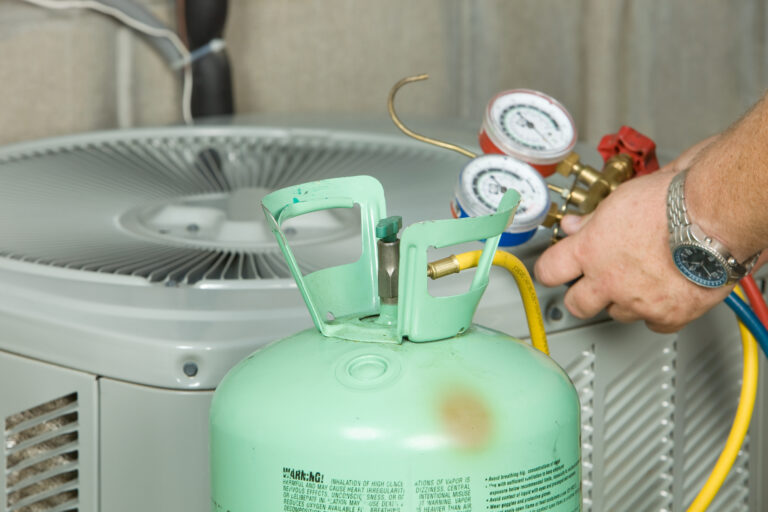
Start by checking and replacing the HVAC system filter. A dirty filter reduces airflow and increases moisture on the evaporator coil. You can also visually inspect the coil if your system allows safe access, but most systems place the coil inside sealed cabinets. Store-bought coil cleaners may work for minor buildup, but improper use can damage the fins or introduce chemicals into your home’s air. Professional technicians from Iceberg Home Services use specialized cleaning agents, steam equipment, and anti-microbial treatments that reach the hidden coil surfaces. If you want to maintain your system properly, scheduling regular AC and heating maintenance is the most effective approach.
When It’s Not the Coil
Although the evaporator coil is the most common source of dirty sock odors, other system components may also cause musty smells.
Duct Issues, Drain Pans, Standing Water
Air ducts that develop condensation or small leaks can harbor mold and mildew. A blocked or damaged drain pan can collect stagnant water that produces odors similar to dirty sock syndrome. If your system sits in a humid attic or closet, standing water may also appear beneath the air handler. These problems may mimic coil odors and require a complete system inspection. Indoor air quality (IAQ) testing through Iceberg Home Services can clarify where the smell originates.
Prevention Checklist & Maintenance Intervals
Preventing dirty sock syndrome requires maintenance sessions that match Florida’s climate. Don’t wait for cool weather to return to fix an odor issue. The smell will only worsen with repeated cycles of moisture and warmth.
Filtration Upgrades, UV/IAQ Options, Tune-Up Cadence
Upgrading to a higher-quality air filter can limit organic buildup on the coils. UV lights installed inside the air handler can help stop microbial growth before it spreads. Better indoor air quality keeps surfaces cleaner for longer periods. We recommend two maintenance sessions a year, one before the cooling season and one before the heating season.
Next Steps
If your AC smells when it turns on, or you notice a persistent musty odor indoors, dirty sock syndrome is likely the cause. Iceberg Home Services provides expert coil cleaning, odor diagnostics, and indoor air quality upgrades that remove buildup and prevent it from returning. Contact us to schedule your HVAC cleaning or maintenance appointment today.