

When your air conditioner starts making a new or unusual sound, it’s rarely something to ignore. This is especially true in Central Florida, where your system works hard for much of the year. Strange noises often serve as early warning signs that something inside the unit needs attention before it breaks down.
Are AC Noises Normal? It Depends on the Sound
Every air conditioner makes some level of operational noise. A soft hum from the outdoor unit, a brief click when the system starts, or the steady sound of air moving through vents is normal. The main difference comes down to a change in that sound. If a sound is new, louder than usual, rhythmic, or persistent, it points to a problem. Ignoring these changes can lead to minor issues escalating into larger AC repair needs.
7 Common AC Noises and What They May Mean
Understanding common AC noises helps you determine whether you’re dealing with a simple maintenance issue or something more serious. Each sound often points to a specific area of the system.
1. Buzzing
A buzzing sound frequently signals an electrical concern. Loose wiring, a failing contactor, or a worn capacitor can cause this vibration-like noise. In some cases, debris inside the outdoor condenser can also produce buzzing. If buzzing continues, the system may struggle to start or shut off properly. Electrical problems rarely resolve on their own and can worsen quickly, so early diagnosis helps prevent larger component failures and premature AC replacement.
2. Rattling
Rattling often means something is loose. Screws, access panels, or internal parts may vibrate when the unit runs. Outdoor units can also make a rattling sound if leaves, sticks, or small debris become trapped inside. While a loose panel seems minor, internal rattling could signal a failing component. Addressing it early prevents further wear and protects the compressor and motor from additional strain.
3. Banging
Banging is never a normal sound. It often indicates a loose blower wheel, failing motor mount, or internal mechanical issue. In some cases, it can signal compressor damage, which is one of the most expensive AC repairs. Since banging often involves moving parts striking other components, turning the system off immediately reduces the risk of major damage.
4. Hissing
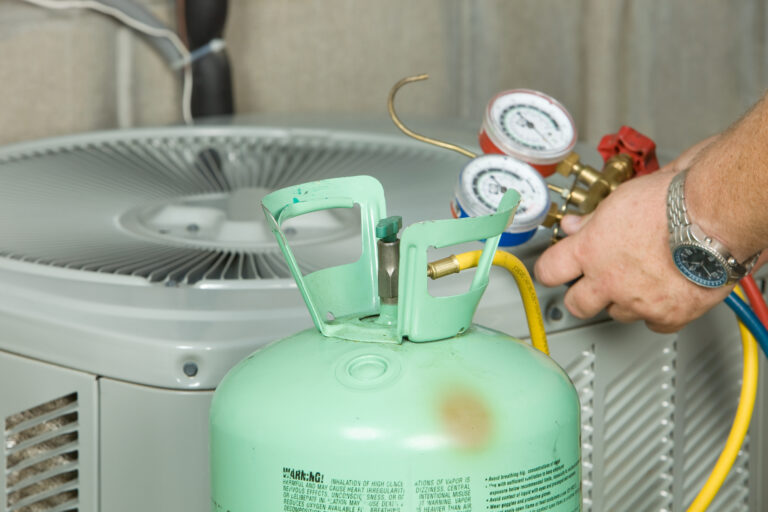
A hissing sound may point to a refrigerant leak or pressure imbalance. Refrigerant leaks affect cooling performance and can damage other system components if ignored. In Florida’s humid climate, low refrigerant can also reduce your system’s ability to remove moisture from the air. If you hear hissing along with weaker cooling or longer run times, professional service is essential.
5. Clicking
Clicking during startup and shutdown is normal. However, repeated or rapid clicking may be a sign of a relay issue, thermostat malfunction, or electrical fault. If the system struggles to start while the clicking continues, the problem could be the capacitor or control board. Electrical components that are about to fail often produce clicking before a complete breakdown.
6. Screeching
A high-pitched screeching sound typically comes from motor bearings or worn belts in older systems. This noise tends to become worse as friction increases. If left unchecked, motor problems can lead to overheating and shutdown. Our technicians can often solve this problem by replacing a worn belt or lubricating moving parts. Early intervention will prevent the issue from causing further damage to your system.
7. Gurgling
Gurgling can occur when refrigerant flows unevenly or when the condensate drain line has a partial blockage. Air pockets in the line can also create bubbling sounds. While occasional gurgling might be harmless, persistent gurgling combined with water leaks or poor cooling indicates your system needs an inspection. Drain line clogs are common in humid areas and can lead to water damage if left unchecked.
What to Do Right Away
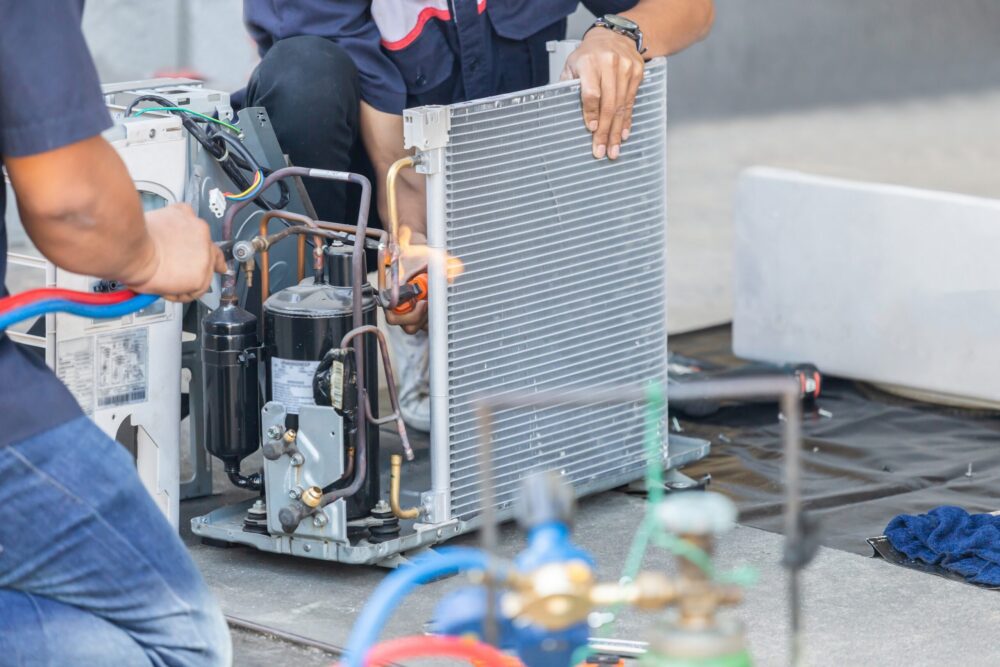
If you hear a new AC noise, act quickly. Turning your air conditioner off prevents further strain, especially if the sound is loud or worsening. You can check your outdoor unit to see if a twig, leaf, or other debris is causing the noise. However, avoid opening electrical panels or removing internal components. Our technicians have the tools and training to diagnose issues safely and accurately.
When to Call for Same-Day AC Repair
Some AC noises go beyond routine wear and signal problems that need immediate professional attention. If your system suddenly makes loud or continuous sounds, treat it as a warning sign that something inside the unit may be failing or unsafe. Acting quickly can prevent more expensive repairs and reduce the time you will be without cooling when you need it most during Florida’s hot weather.
Call for same-day AC repair if you hear hissing paired with weak cooling, notice a burning smell, or experience repeated breaker trips. These symptoms can be an indication of a refrigerant leak, an electrical fault, or an overheating component that can worsen quickly. You should also schedule immediate emergency AC repair if the system stops cooling altogether or starts producing grinding or banging sounds.
Situations that affect safety or daily comfort should never wait. Ice buildup on the unit, sudden airflow loss, or loud mechanical noises can indicate additional strain on the compressor or blower motor. Continuing to run the system under these conditions can cause additional damage and increase repair costs.
Schedule Same-Day AC Repair in Winter Haven and Surrounding Areas
Unusual sounds rarely resolve on their own. Most common AC noises signal developing problems. If you live in Winter Haven, Clermont, Lake Wales, or Polk County, scheduling service early helps you avoid peak-season delays. At Iceberg Home Services, we provide fast diagnostics and dependable repairs for Florida’s demanding climate.
Contact our team to schedule same-day AC repair today to restore comfort to your home.