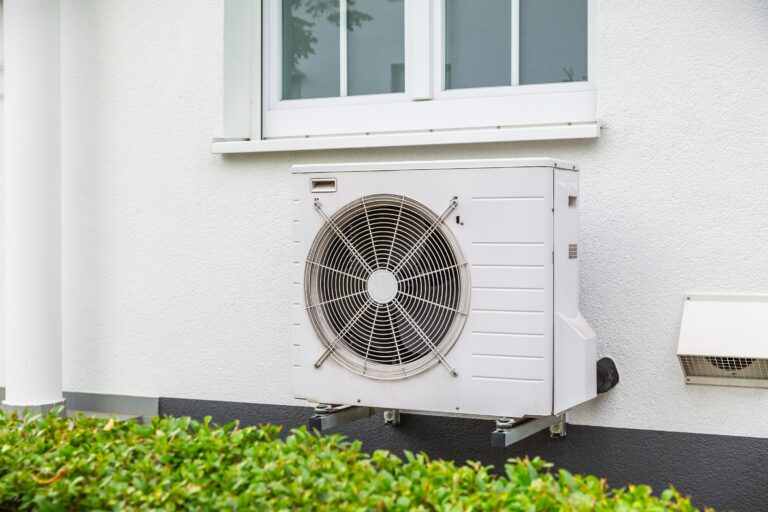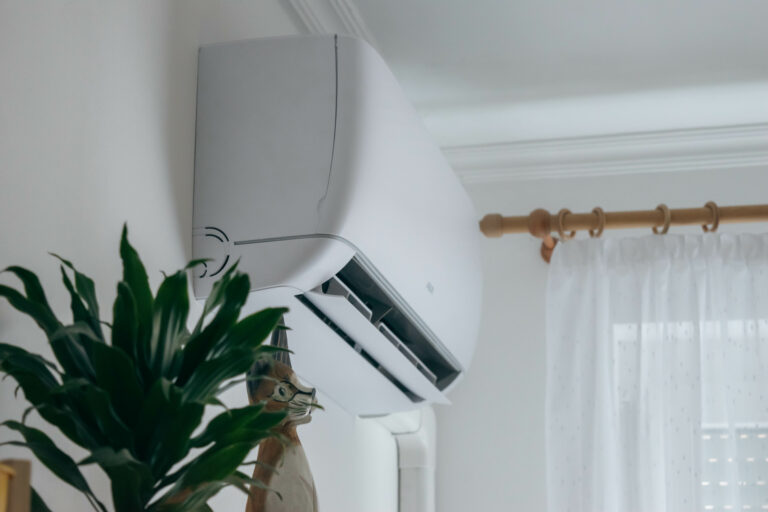


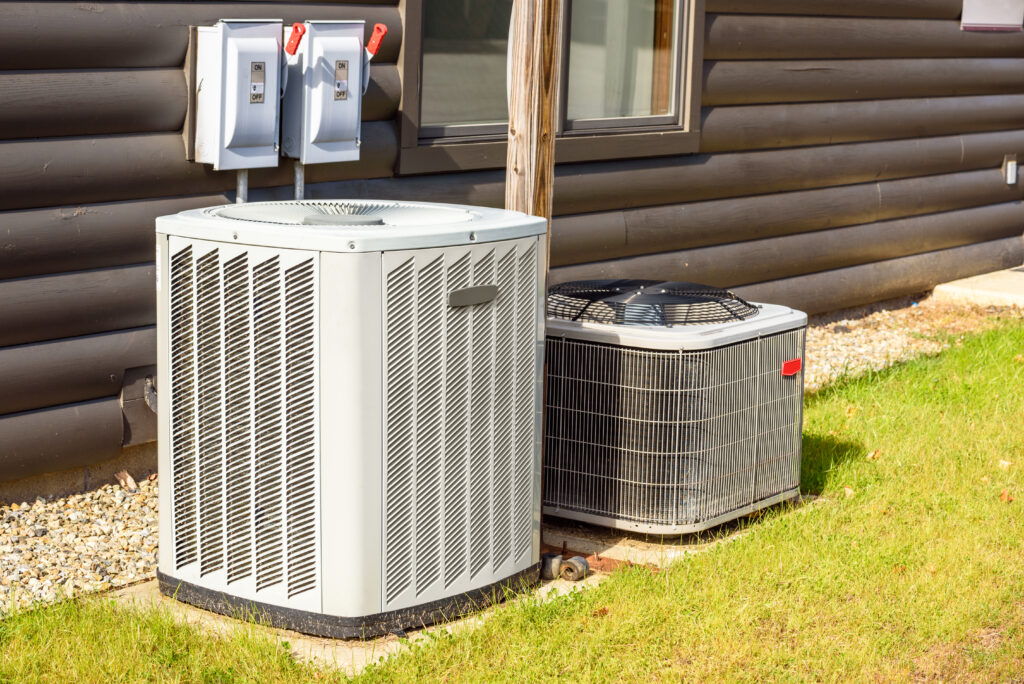
Florida homeowners like yourself rely on heat pumps to handle most of their heating needs during the mild “cool-season.” Even though our winters are short and relatively warm, chilly mornings, coastal breezes, or early frosts can make your indoor space feel uncomfortable. That’s where auxiliary heat, aux heat, comes into play. Understanding how aux heat and HVAC heat strips work helps you maintain comfort without surprising spikes on your energy bills.
What Are Aux Heat & Heat Strips?
Auxiliary heat works when your heat pump alone cannot meet your home’s heating demands. Heat strips, also called electric resistance backup, provide supplemental warmth quickly and reliably. While a heat pump moves heat from the outside of your home to the inside, an aux heat system is different. With aux heat, the system makes ambient warmth by directly using electricity. While this may be slightly less efficient than a heat pump, the heating begins immediately.
Electric resistance backup vs. heat pump mode
During normal operation, your heat pump keeps your home comfortable by transferring heat indoors. When temperatures dip below the unit’s effective range or when the system enters defrost mode, aux heat or HVAC heat strips activate automatically. With a heat strip kit, the system adds extra resistance elements. These warm the air immediately, and this has the knock-on effect of making sure bedrooms, living areas, or kitchens stay at a comfortable temperature. This works even during the morning chill that’s so jarring yet prevalent here in Florida.
When Do They Turn on in Florida?
Aux heat doesn’t run constantly in Florida, but it has predictable triggers. The important thing is recognizing these; by doing so, it helps you understand your system’s behavior and manage energy use.
Thermostat calls in chilly mornings; defrost cycles
On early mornings, especially in inland areas like Orlando or Tampa, your thermostat may call for aux heat when outdoor temps dip into the 50s or low 60s. Sometimes, your heat pump also enters a defrost mode, which effectively clears accumulated ice from the system’s coils. This is definitely useful in the cooler regions along Florida’s coastline. In these situations, emergency heat vs. aux heat makes sure that indoor comfort remains consistent.
Comfort & Cost Tradeoffs
Aux heat improves comfort in very short order. However, it also increases electricity use. When you know the tradeoffs, you have the tools needed when planning your energy budget. This way, you do not end up sacrificing your family’s comfort.
Energy use, bills, and humidity considerations
Aux heat generates warmth fast, but electric resistance consumes more energy than the heat pump alone. Frequent use during cool Florida mornings can lead to noticeable spikes on your monthly bill. On the positive side, aux heat can help balance indoor humidity, preventing that clammy, cold feeling that sometimes happens during early winter mornings.
When Aux Stays on Too Long
You may sometimes notice aux heat running longer than necessary. Catching the cause early prevents unnecessary energy costs and strain on your system.
Thermostat settings, sensor issues, dirty filters, undersized/oversized system
Extended aux heat use can result from thermostat misprogramming, faulty sensors, clogged filters, or a heat pump sized incorrectly for your home. By monitoring your system, you can detect problems early and maintain comfort efficiently.
Maintenance Tips & When to Call a Pro
Regular maintenance will make sure that your heat pump and aux heat operate efficiently. It will also provide a level of safety during the heating season.
Tune-ups, thermostat checks, strip inspection, duct/airflow review
Schedule annual tune-ups with a licensed professional to inspect heat strips, verify thermostat operation, and review ductwork for airflow restrictions. Regular inspections help your system run smoothly and ensure aux heat activates only when necessary, keeping your home and energy bills in check.
Next Steps
Understanding how aux heat and heat strips HVAC function helps you stay comfortable and manage energy costs. For professional guidance, check out our heating services or browse our FAQ to answer common questions. If you are considering upgrades or exploring financing options, visit our financing page to plan your next steps. At Iceberg Home Services, we are here to guide you every step of the way, from system explanations to hands-on service. Reach out today to schedule your heating consultation.